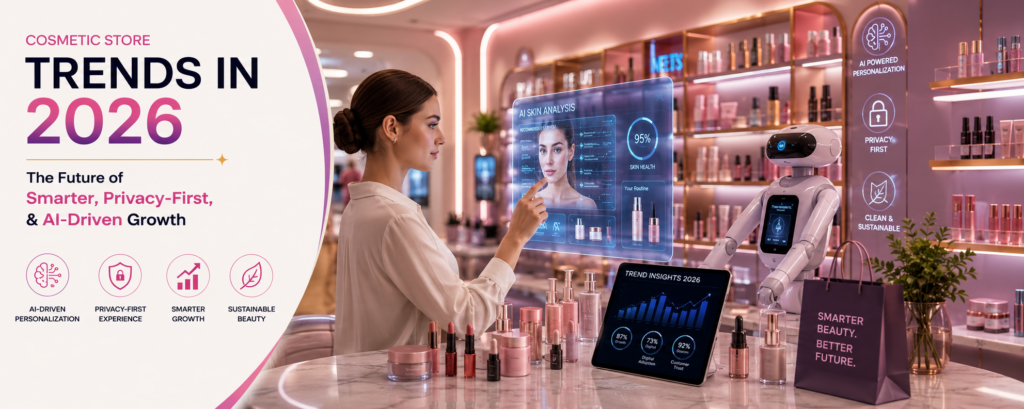
Cosmetic Store Trends in 2026: The Future of Beauty Retail is Smarter, More Personalized, and Experience-Driven
Introduction
The beauty industry has always evolved alongside changing consumer lifestyles, technological advancements, and cultural influences. However, 2026 represents a defining moment for cosmetic retailers as customer expectations continue to shift faster than ever before. Today’s shoppers are no longer looking for shelves filled with products alone—they seek personalized recommendations, sustainable choices, immersive shopping experiences, and complete transparency before making a purchase.
Cosmetic stores have transformed from traditional retail outlets into intelligent beauty destinations where technology, skincare science, and customer engagement work together to create memorable shopping experiences. Whether operating a neighborhood beauty shop, a premium cosmetic boutique, or a large online beauty marketplace, staying ahead of emerging retail trends has become essential for long-term success.
This article explores the biggest cosmetic store trends shaping 2026 and explains how retailers can adapt to meet evolving customer expectations while improving sales, loyalty, and brand visibility.
Why Cosmetic Retail is Changing Rapidly in 2026
Modern consumers have access to unlimited information before they step into a store or visit an online shop. Product reviews, influencer recommendations, ingredient databases, dermatologist advice, and social media trends all influence purchasing decisions.
As a result, cosmetic stores are becoming more customer-focused than product-focused. Success now depends on delivering value through education, convenience, personalization, and trust rather than simply offering a wide product selection.
Several major factors are driving this transformation:
Growing awareness of skincare ingredients
Increased demand for personalized beauty routines
Expansion of artificial intelligence in retail
Sustainability becoming a purchasing priority
Rise of omnichannel shopping
Demand for authentic customer experiences
Faster delivery expectations
Retailers who embrace these changes are positioned to attract loyal customers while remaining competitive in an increasingly digital marketplace.
Personalized Beauty Shopping Becomes the New Standard
One of the biggest cosmetic store trends in 2026 is personalized shopping.
Consumers no longer believe that one product fits everyone. Instead, they expect recommendations tailored specifically to their skin type, concerns, age, lifestyle, climate, and budget.
Modern cosmetic stores are using customer data responsibly to recommend:
Customized skincare routines
Foundation shades
Haircare solutions
Anti-aging products
Seasonal skincare
Personalized beauty kits
Rather than overwhelming customers with hundreds of choices, retailers simplify decision-making through guided recommendations that increase customer confidence and satisfaction.
This personalized approach also improves repeat purchases because shoppers receive products better suited to their individual needs.
Artificial Intelligence is Transforming Cosmetic Stores
Artificial intelligence has become one of the most influential technologies in beauty retail.
Instead of replacing human staff, AI enhances customer experiences by providing faster and more accurate recommendations.
Popular AI-powered features include:
Virtual Skin Analysis
Customers can upload facial images or use in-store scanners to identify:
Dry skin
Oil imbalance
Pigmentation
Acne concerns
Wrinkles
Dark spots
Hydration levels
The system then recommends suitable products based on the analysis.
Smart Product Recommendations
AI analyzes customer preferences, previous purchases, and skin concerns to suggest relevant products, increasing both satisfaction and average order value.
Beauty Chat Assistants
AI-powered assistants answer customer questions instantly regarding ingredients, usage instructions, compatibility, and skincare routines.
These technologies reduce confusion while improving customer confidence before purchase.
Sustainable Beauty is Influencing Purchase Decisions
Environmental awareness has become a significant purchasing factor in 2026.
Consumers increasingly choose cosmetic stores that demonstrate genuine commitment to sustainability.
Key sustainability initiatives include:
Refillable packaging
Recyclable containers
Reduced plastic usage
Eco-friendly shipping materials
Clean ingredient sourcing
Ethical manufacturing
Cruelty-free product ranges
Customers appreciate transparency regarding environmental practices and often remain loyal to brands that align with their values.
Retailers promoting sustainable beauty are also strengthening their brand reputation in competitive markets.
Ingredient Transparency Builds Customer Trust
Modern shoppers carefully read product labels before making purchasing decisions.
Instead of relying solely on brand reputation, customers now research ingredients and their effects on the skin.
Cosmetic stores are responding by providing:
Complete ingredient lists
Clear product benefits
Scientific explanations
Allergy information
Dermatologist recommendations
Clinical testing details
Transparent communication reduces uncertainty while strengthening customer trust.
Stores that educate customers rather than simply selling products often develop stronger long-term relationships.
Hybrid Shopping Experiences Continue to Expand
The distinction between online and offline shopping continues to disappear.
Customers frequently research products online before visiting physical stores or examine products in-store before ordering online.
Successful cosmetic retailers now offer seamless omnichannel experiences that include:
Click-and-collect services
Real-time inventory visibility
Online product reservations
Mobile shopping apps
Digital loyalty programs
Unified customer accounts
This flexibility allows customers to shop whenever and however they prefer.
Experiential Retail Creates Memorable Shopping
Modern cosmetic stores focus on experiences rather than transactions.
Consumers enjoy interactive shopping environments where they can explore products before purchasing.
Popular in-store experiences include:
Beauty Demonstrations
Professional makeup artists showcase product applications and techniques.
Mini Skincare Consultations
Customers receive personalized advice based on their skin concerns.
Product Testing Zones
Hygienic testing stations encourage product discovery while increasing buyer confidence.
Beauty Workshops
Educational events covering skincare, makeup techniques, seasonal beauty routines, and wellness trends help strengthen customer engagement.
Experiential retail transforms shopping into an enjoyable activity rather than a routine purchase.
Social Commerce Continues to Drive Sales
Social media platforms have become major beauty discovery channels.
Consumers regularly purchase products after watching:
Makeup tutorials
Product demonstrations
Customer reviews
Before-and-after transformations
Live shopping sessions
Cosmetic stores are integrating social commerce directly into their marketing strategies by creating educational and engaging content instead of focusing solely on advertisements.
Authentic storytelling generates greater customer trust than traditional promotional campaigns.
Clean Beauty Continues to Grow
Clean beauty remains one of the strongest consumer preferences in 2026.
Customers increasingly seek products formulated without unnecessary harsh chemicals.
Popular clean beauty categories include:
Natural skincare
Organic cosmetics
Vegan beauty products
Fragrance-free skincare
Sensitive skin formulations
Plant-based ingredients
Retailers expanding their clean beauty collections appeal to health-conscious consumers looking for safer skincare alternatives.
Loyalty Programs Become More Personalized
Traditional point-based loyalty systems are evolving.
Modern cosmetic stores reward customers with personalized experiences rather than generic discounts.
Examples include:
Birthday rewards
Exclusive product launches
Personalized skincare consultations
Early access to limited editions
Customized beauty recommendations
VIP shopping events
Personalized loyalty programs encourage repeat purchases while increasing customer lifetime value.
Mobile Shopping Dominates Consumer Behavior
Smartphones have become the primary shopping device for millions of beauty consumers.
Cosmetic retailers now prioritize mobile-first experiences through:
Fast-loading websites
Simple checkout processes
Mobile payment options
One-click reordering
Personalized notifications
Digital wallets
A seamless mobile experience directly contributes to higher conversion rates and improved customer satisfaction.
Local Beauty Stores Are Building Stronger Communities
Independent cosmetic retailers remain highly competitive by focusing on personalized customer relationships.
Rather than competing solely on price, local stores emphasize:
Expert beauty advice
Community events
Personalized service
Local partnerships
Educational workshops
Customer appreciation programs
Building genuine relationships creates loyal customers who return regularly and recommend the business to others.
Subscription Beauty Services Continue to Expand
Subscription models remain popular among consumers seeking convenience.
Many cosmetic stores now offer recurring deliveries for products customers use regularly.
Common subscription categories include:
Daily skincare essentials
Monthly beauty boxes
Haircare products
Makeup replenishment
Personalized skincare routines
Subscriptions create predictable revenue while simplifying shopping for customers.
Data-Driven Retail Decisions Improve Business Growth
Retailers increasingly rely on analytics to understand customer behavior.
Modern cosmetic stores monitor:
Best-selling products
Customer preferences
Seasonal purchasing patterns
Product return rates
Customer lifetime value
Inventory performance
These insights support smarter inventory planning, marketing strategies, and customer engagement initiatives.
Wellness and Beauty Continue to Merge
Consumers increasingly recognize the connection between overall wellness and skin health.
Cosmetic stores are expanding product categories to include:
Beauty supplements
Wellness teas
Sleep-support products
Stress management solutions
Hydration products
Holistic skincare
This integrated approach reflects growing consumer interest in beauty from the inside out.
Inclusive Beauty Shapes the Industry
Inclusivity is no longer optional.
Customers expect cosmetic stores to serve diverse skin tones, hair textures, genders, and age groups.
Retailers are expanding product selections to include:
Broader foundation shade ranges
Products for mature skin
Men’s skincare collections
Gender-neutral beauty products
Inclusive marketing campaigns
Accessible packaging
An inclusive shopping experience helps every customer feel represented and valued.
Voice Search Optimization is Becoming Essential
As voice assistants continue to gain popularity, cosmetic businesses are optimizing their digital content for conversational search queries.
Examples include:
Best moisturizer for dry skin
Affordable makeup store near me
Natural skincare products for sensitive skin
Long-lasting waterproof lipstick
Best anti-aging serum in 2026
Creating informative content around these natural-language searches improves online visibility and attracts highly targeted traffic.
SEO Strategies Cosmetic Stores Should Focus on in 2026
Search engine optimization remains one of the most effective digital marketing strategies for cosmetic retailers.
Successful SEO includes:
Publishing educational beauty blogs
Targeting long-tail beauty keywords
Optimizing product descriptions
Improving website loading speed
Creating helpful skincare guides
Building high-quality backlinks
Using structured data
Optimizing images
Writing informative FAQs
Maintaining consistent content updates
High-quality content continues to outperform keyword stuffing, making user experience the highest priority.
The Future of Cosmetic Stores
The cosmetic retail landscape in 2026 is defined by innovation, personalization, sustainability, and customer experience. Consumers expect more than quality products—they seek expert guidance, ethical business practices, digital convenience, and authentic relationships with the brands they support.
Retailers who invest in emerging technologies while maintaining a human-centered approach will remain competitive in the evolving beauty industry. Whether through AI-powered consultations, eco-friendly packaging, personalized skincare recommendations, or immersive shopping experiences, successful cosmetic stores understand that customer satisfaction is built through trust, transparency, and continuous innovation.
As beauty trends continue to evolve, cosmetic stores that remain adaptable, data-driven, and customer-focused will be best positioned for sustainable growth in the years ahead.
Frequently Asked Questions (FAQs)
1. What is the biggest cosmetic store trend in 2026?
Personalized shopping experiences powered by artificial intelligence, customer data insights, and expert beauty consultations are among the most influential trends.
2. Why is sustainability important for cosmetic retailers?
Consumers increasingly prefer brands that use eco-friendly packaging, ethical sourcing, recyclable materials, and cruelty-free products, making sustainability a key factor in purchasing decisions.
3. How does AI improve cosmetic shopping?
AI assists with skin analysis, product recommendations, virtual try-ons, customer support, and personalized beauty routines, helping shoppers make informed decisions.
4. Why is SEO important for cosmetic stores?
SEO increases online visibility, attracts targeted visitors, improves search engine rankings, and helps cosmetic retailers generate consistent organic traffic without relying solely on paid advertising.
5. What should cosmetic stores prioritize for future growth?
Retailers should focus on customer experience, mobile optimization, personalized services, transparency, sustainability, educational content, and omnichannel shopping to remain competitive in the evolving beauty market.
SEO Keywords
Cosmetic Store Trends 2026, Beauty Retail Trends, Cosmetic Shop Business, Beauty Industry Trends, Personalized Beauty Shopping, AI in Beauty Retail, Sustainable Cosmetics, Clean Beauty Products, Cosmetic Store Marketing, Beauty Store SEO, Online Cosmetic Store, Skincare Trends 2026, Makeup Industry Trends, Beauty Shopping Experience, Cosmetic Retail Business, Beauty Ecommerce, Organic Cosmetics, Beauty Technology, Cosmetic Business Growth, Future of Beauty Retail.